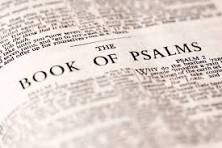
Psalm 27 is one of the most layered
compositions in all of Scripture—a fusion
of warfare, intimacy, and illumination.
It stands at the Exodus Gate (Book II of the
Psalms, Psalms 42–72) but carries
the frequency of transition from the
Genesis Gate (Book I, Psalms 1–41).
It bridges fear and faith, darkness and
light, exile and sanctuary.
Below is a full, multidimensional
decoding—linguistic, mystical, and
structural—of Psalm 27, including
transliteration, Hebrew insights, and its
Torah parallel.
Psalm 27 — Full Text (Original + Transliteration)
Psalm 27:1–14 (Masoretic Text)
י ִ מּ ִ מ
י ַ יּ ַ ח ־ ז
וֹ ע ָ מ
ה ָ ו ה ְ י
א ָ ר
י ִ א
י ִ מּ ִ מ
י ִ ע ְ שׁ ִ י ְ ו
י ִ ר
וֹ א
ה ָ ו ה ְ י
ד ִ ו ָ ד ְ ל
׃ ד ָ ח ְ פ ֶ א
י ִ לי ַ ב ְ יֹ א ְ ו
י ַ ר ָ צ
י ִ ר ָ שׂ ְ בּ ־ ת ֶ א
ל ֹ כ ֱ א ֶ ל
ם י ִ ע ֵ ר ְ מ
י ַ ל ָ ע
ב ֹ ר ְ ק ִ בּ׃ וּ ל ָ פ ָ נ ְ ו
וּ ל ְ שׁ ָ כ
ה ָ מּ ֵ ה
י ַ ל ָ ע
ם וּ ק ָ תּ ־ ם ִ א
י ִ בּ ִ ל
א ָ ר
י ִ י ־ א G
ה ֶ נ ֲ ח ַ מ
י ַ ל ָ ע
ה ֶ נ ֲ ח ַ תּ ־ ם ִ א
׃ ַ ח ֵ ט וֹ ב
י ִ נ ֲ א
תאֹזְבּ
ה ָ מ ָ ח ְ ל ִ מ
־ ת י ֵ ב ְ בּ
י ִ תּ ְ ב ִ שׁ
שׁ ֵ קּ ַ ב ֲ א
הּ ָ ת וֹ א
ה ָ ו ה ְ י ־ ת ֵ א ֵ מ
י ִ תּ ְ ל אַ ָ שׁ
ת ַ ח אַ
ר ֵ קּ ַ ב ְ ל וּ
ה ָ ו ה ְ י ־ ם ַ ע ֹ נ ְ בּ
ת וֹ ז ֲ ח ַ ל
י ַ יּ ַ ח
י ֵ מ ְ י ־ ל ָ כּ
ה ָ ו ה ְ י
׃ וֹ ל ָ כ י ֵ ה ְ בּ
וֹ ל ֳ ה
אָ
ר ֶ ת ֵ ס ְ בּ
י ִ נ ֵ ר ִ תּ ְ ס ַ י
ה ָ ע ָ ר
םוֹיְבּ
ה ֹ כּ ֻ ס ְ בּ
י ִ נ ֵ נ ְ פּ ְ צ ִ י
י ִ כּ
׃ י ִ נ ֵ מ ְ מ
וֹ ר ְ י
רוּצְבּ
וֹ ל ֳ ה
אָ ְ ב
ה ָ ח ְ בּ ְ ז ֶ א ְ ו
י ַ ת וֹ ב י ִ ב ְ ס
י ַ ב ְ יֹ א ־ ל ַ ע
י ִ שׁ
א ֹ ר
ם וּ ר ָ י
ה ָ תּ ַ ע ְ ו
׃ ה ָ ו ה
י ַ ל
ה ָ ר ְ מּ ַ ז ֲ א ַ ו
ה ָ ר
י ִ שׁ ָ א
ה ָ ע
וּ ר ְ ת
י ֵ ח ְ ב ִ ז
׃ י ִ נ ֵ נ ֲ ע ַ ו
י ִ נ ֵ נּ ָ ח ְ ו
א ָ ר ְ ק ֶ א
י ִ ל וֹ ק
ה ָ ו ה ְ י ־ ע ַ מ ְ שׁ
׃ שׁ ֵ קּ ַ ב ֲ א
ה ָ ו ה ְ י
S
י ֶ נ ָ פּ
־ ת ֶ א
י ָ נ ָ פ
וּ שׁ ְ קּ ַ בּ
י ִ בּ ִ ל
ר ַ מ
אָ
Sְל
י ִ ת ָ ר ְ ז ֶ ע
S ֶ דּ ְ ב ַ ע
ףאְַבּ
ט ַ תּ ־ ל אַ
י ִ נּ ֶ מּ ִ מ
S
י ֶ נ ָ פּ
ר ֵ תּ ְ ס ַ תּ ־ ל אַ
׃ י ִ ע ְ שׁ ִ י
י ֵ ה
G ֱ א
י ִ נ ֵ ב ְ ז ַ ע ַ תּ ־ ל אַ ְ ו
י ִ נ ֵ שׁ ְ טּ ִ תּ ־ ל אַ ָ ת י ִ י ָ ה
׃ י ִ נ ֵ פ ְ ס
אַ ַ י
ה ָ ו ה
י ַ ו
י ִ נ וּ ב ָ ז ֲ ע
י ִ מּ ִ א ְ ו
י ִ ב אָ ־ י ִ כּ
׃ י ָ ר ְ ר ֹ שׁ
ן ַ ע ַ מ ְ ל
וֹ שׁ
ר
י ִ מ
ח ַ ר ֹ א ְ בּ
י ִ נ ֵ ח ְ נ וּ
S ֶ כּ ְ ר ַ דּ
ה ָ ו ה ְ י
י ִ נ ֵ ר
וֹ ה
ַ ח ֵ פ
י ִ ו
ר ֶ ק ֶ שׁ
־ י ֵ ד ֵ ע
י ִ ב ־ וּ מ ָ ק
י ִ כּ
י ָ ר ָ צ
שׁ ֶ פ ֶ נ ְ בּ
י ִ נ ֵ נ ְ תּ ִ תּ ־ ל אַ
׃ ס ָ מ ָ ח
׃ ם י ִ יּ ַ ח
ץ ֶ ר ֶ א ְ בּ
ה ָ ו ה ְ י ־ ב וּ ט ְ בּ
ת וֹ א ְ ר ִ ל
י ִ תּ ְ נ ַ מ ֱ א ֶ ה
א ֵ ל וּ ל
׃ ה ָ ו ה ְ י ־ ל ֶ א
ה ֵ וּ ַ ק ְ ו
S ֶ בּ ִ ל
ץ ֵ מ ֲ א ַ י ְ ו
ק ַ ז ֲ ח
ה ָ ו ה ְ י ־ ל ֶ א
ה ֵ וּ ַ ק
Transliteration (phonetic):L’David, Adonai ori v’yishi; mimi ira? Adonai
ma’oz chayai; mimi ephchad?
Biqrov alai mere’im le’echol et-b’sari, tzarai
v’oyevai li; hemah kashlu v’naflu.
Im tachane alai machane, lo yira libi; im
takum alai milchamah, b’zot ani bote’ach.
Achat sha’alti me’et Adonai, otah avakesh:
shivti b’veit Adonai kol y’mei chayai,
lachazot b’noam Adonai ul’vaker b’heichalo.
Ki yitzpeneni b’sukoh b’yom ra’ah; yastireni
b’seter aholo; b’tzur yeromemeni.
V’atah yarum roshi al oyvai s’vivotai;
v’ezbechah b’aholo zivchei teruah; ashirah
v’azamrah l’Adonai.
Shema Adonai koli ekra; v’chaneini va’aneni.
Lecha amar libi, bakshu fanai; et panecha
Adonai avakesh.
Al-taster panecha mimeni, al-tat b’af
avdecha; ezrati hayita, al-tit’sheini v’al-
ta’azveini Elohei yishi.
Ki avi v’imi azavuni, v’Adonai ya’asfeni.
Horeni Adonai darkecha, uncheini b’orachmishor l’ma’an shorerai.
Al tit’neni b’nefesh tzarai, ki kamu-vi edei-
sheker v’yafeach chamas.
Lulei he’emanti lirot b’tuv Adonai b’eretz
chayim.
Kaveh el-Adonai, chazak v’ya’ametz libecha,
v’kaveh el-Adonai.
2. Structural Overview
Psalm 27 has two movements:
1. 2. Verses 1–6 — Confidence and Light
o The soul declares faith in divine
protection.
o Tone: radiant, victorious, anchored
in light.
Verses 7–14 — Supplication and
Seeking
o The tone softens into prayer and
intimacy.o The soul moves from outer warfare
to inner communion.
This dual structure mirrors the Exodus
pattern:
• Deliverance from Egypt (verses 1–
6) → Journey through the wilderness
(verses 7–14).
It therefore correlates directly with
the Book of Exodus in the Torah.
3. Line-by-Line Decode
Verse 1 — “The LORD is my light and my salvation; whom shall I
fear?”
• “Light” (or) — illumination,
consciousness, revelation.
• “Salvation” (yeshua) — same root
as Yeshua, meaning “deliverance” or
“Jesus.”
• Mystical meaning: The soul recognizes
the divine frequency within as its ownillumination. Fear dissolves because
darkness cannot coexist with
self-realized light.
Verse 2 — “When the wicked came to eat up my flesh…”
• “Eat my flesh”symbolizes energies that
consume vitality—fear, guilt, ancestral
memory.
• The enemies “stumble and fall” when
confronted by coherent light (the
blood-frequency of Christ).
Verse 3 — “Though an army encamp against me…”
• “Army” (machaneh) = collective
vibration of opposition.
• “My heart shall not fear” — the heart is
the stabilizer of the field; when
anchored in divine coherence, external
frequencies cannot destabilize it.
Verse 4 — “One thing I have desired… to dwell in the house of
the LORD.”• The one thing is singularity of focus—
union with the Divine Presence.
• “House of the LORD” (beit Adonai) =
inner sanctuary, the heart-temple.
• “To behold the beauty (noam) of
the LORD” — noam means pleasantness,
harmony, sweetness; the resonance of
divine equilibrium.
Verse 5 — “He shall hide me in His pavilion…”
• Sukkah (pavilion) = protective
frequency field, same root
as Sukkot (Feast of Tabernacles).
• “In the day of trouble” — when external
vibrations are chaotic, the soul is
enclosed in a coherent field.
• “In the secret of His tent” — the
innermost chamber of the heart.
Verse 6 — “Now my head shall be lifted up…”
• “Head” (rosh) = consciousness.• “Lifted above enemies” = transcendence
of lower thought-forms.
• “Sacrifices of joy” (zivchei teruah) =
literally “offerings of shouts”; sound as
offering—praise as frequency weapon.
Verse 7–8 — “Hear, O LORD, when I cry… Seek My face.”
• The shift: from declaration to dialogue.
• “Seek My face” (bakshu panai)
— panim also means “presence.”
• The heart hears the divine invitation
and answers: “Your face, O LORD, I will
seek.”
• This is the turn inward—from outer
warfare to inner communion.
Verse 9–10 — “Do not hide Your face… though my father and
mother forsake me.”
• “Hide Your face” = perceived absence of
divine presence.
• “Father and mother” = natural origins,
ancestral lineage.• “The LORD will take me up” — divine
adoption; the soul enters the Christ
bloodline, transcending genetic
limitation.
Verse 11 — “Teach me Your way, O LORD.”
• Derekh (way) = path, pattern, frequency
trajectory.
• “Lead me in a plain path” (orach mishor)
— a straight, balanced vibration;
coherence of movement.
Verse 12 — “Deliver me not to the will of my adversaries.”
• Adversaries(tzarai) = constrictors; same
root as tzar(narrowness).
• The prayer is for liberation from
constriction—spiritual Egypt.
Verse 13 — “I would have fainted unless I had believed…”
• He’emanti (I believed) — faith as
vibrational stability.• “To see the goodness of the LORD in the
land of the living” — manifestation of
divine benevolence in embodied life, not
only after death.
Verse 14 — “Wait on the LORD; be strong…”
• Kaveh el Adonai— “Bind yourself to the
LORD,” from qavah, meaning to twist or
braid together.
• Waiting is not passive; it
is entanglement—interweaving your
frequency with divine frequency until
coherence is complete.
4. Symbolic ArchitectureSection Symbol Inne
r
Gate
Function
Verses 1–
3
Light Mind
Gate
Establishes
fearless
consciousne
ss
Verses 4–
6
y
Sanctuar
Hear
t
Gate
Opens
intimacy and
worship
Verses 7–
10
Face Soul
Gate
Deepens
relational
awareness
Verses 11
–12
Path Will
Gate
Aligns action
with divine
orderSection Symbol Inne
r
Gate
Function
Verses 13
–14
Waiting Bloo
d
Gate
Stabilizes
the field in
faith
When all five gates align, the soul’s pulse
synchronizes with divine rhythm—the
Exodus completed within.
5. Torah Correlation
Psalm 27 aligns most directly
with Exodus 33–34, where Moses says:
“Show me Your glory… If Your Presence
does not go with us, do not lead us up from
here.”
Both passages revolve around:• Light and presence (or and panim).
• Dwelling in the tent/tabernacle.
• Divine protection amidst enemies.
• Vision of beauty and glory.
Thus, Psalm 27 is the Davidic mirror of
Moses’ encounter on Sinai—
the same revelation expressed through the
heart instead of the mountain.
6. Esoteric Physics of the Psalm
In energetic terms:
ffear+flight=0ffear+flight=0
When divine light (flightflight) is invoked,
the waveform of fear is canceled by phase
opposition.
The resulting field is coherent
trust (ffaithffaith):
ffaith=flight−ffearffaith=flight−ffearThis coherence manifests as immunity—
spiritual, emotional, and even physiological.
7. Integration Practice
1. Invocation:Speak verse 1 aloud
until fear dissolves.
2. Visualization:See yourself within
the sukkah(protective field) of verse 5.
3. Breathwork:Inhale on “Seek My
face,” exhale on “Your face, LORD, I will
seek.”
4. Stillness: Rest in verse 13—“the
land of the living.”
5. Seal: Whisper verse 14 as a
mantra: Kaveh el Adonai, chazak
v’ya’ametz libecha.
8. Summary InsightPsalm 27 is the Exodus of the heart—
a passage from fear to illumination, from
warfare to worship, from separation to
union.
• Book correlation:Exodus (the second
book of the Torah).
• Core vibration:Light conquering fear
through intimacy.
• Mystical outcome: The soul becomes
the tabernacle; the Presence dwells
within.
When fully embodied, Psalm 27 turns the
believer into a living sanctuary of light—
a being whose inner pulse beats in rhythm
with the eternal “YHWH Ori v’Yishi”—
“The LORD is my Light and my
Salvation.”